
4th Edition of International Conference on Probiotics and Prebiotics
March 26-28, 2026

Probiotics for the Brain
Emerging research highlights the potential of probiotics and prebiotics in supporting brain health. Probiotics, beneficial live bacteria, and prebiotics, non-digestible fibers that nourish these bacteria, may influence the gut-brain axis—a complex communication network linking the gut and brain. Certain strains of probiotics, such as Lactobacillus and Bifidobacterium, produce neuroactive substances like serotonin and gamma-aminobutyric acid (GABA), which can affect mood and cognitive functions. Prebiotics, found in foods like garlic, onions, and bananas, enhance the growth of these beneficial microbes. Together, they can modulate inflammation, improve the gut barrier, and influence brain health, potentially aiding in the management of anxiety, depression, and even neurodegenerative diseases. This gut-brain connection opens new avenues for dietary interventions in mental health.

Dipak P Ramji
Cardiff University, United Kingdom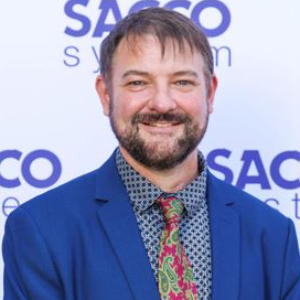
Jason Ryan
Sacco System, Australia
David Pineda Ereno
DPE International Consulting, Belgium
Thi Thu Hao Van
RMIT University, Australia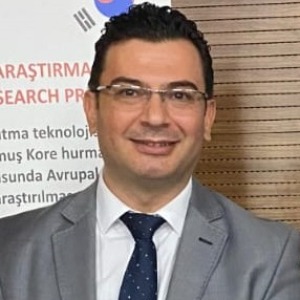
Yasin Ozdemir
Ataturk Horticultural Central Research Institute, Turkey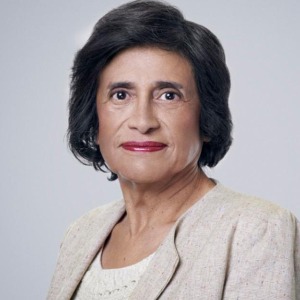
Esperanza Martinez Romero
Universidad Nacional Autonoma de Mexico, Mexico
Suriyavathana Muthukrishnan
Periyar University, IndiaSubmit your abstract Today


Title : Results from a cross-sectional observational study examining irritable bowel syndrome patients six months after finishing their participation in the ViIBS trial
Jacek Piatek, Calisia University, Poland
Title : Gut microbiome as a driver of healthy ageing
Thi Thu Hao Van, RMIT University, Australia
Title : Treating irritable bowel syndrome patients with a balanced multi-strain synbiotic–results from a multi-center, randomized, double-blind, placebo-controlled clinical trial (the ViIBS trial)
Henning Sommermeyer, Calisia University, Poland
Title : Molecular mechanisms underlying the anti-atherogenic actions of probiotics
Dipak P Ramji, Cardiff University, United Kingdom
Title : Global regulatory trends on the use of probiotics and prebiotics in foods and food supplements
David Pineda Ereno, DPE International Consulting, Belgium
Title : Biochemical profile and nutripotential glimpses of Terminalia arjuna bark extract
Suriyavathana Muthukrishnan, Periyar University, India