HYBRID EVENT: You can participate in person at Singapore or Virtually from your home or work.

4th Edition of International Conference on Probiotics and Prebiotics

March 26-28, 2026

March 26 -28, 2026 | Singapore
PROBIOTICS 2026

Molecular mechanisms underlying the anti-atherogenic actions of probiotics

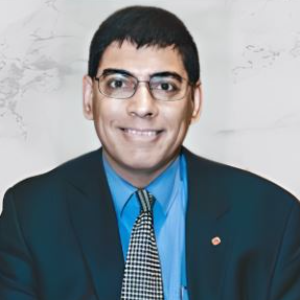
Speaker at Probiotics and Prebiotics 2026 - Dipak P Ramji
Cardiff University, United Kingdom
Title : Molecular mechanisms underlying the anti-atherogenic actions of probiotics

Abstract:

Atherosclerosis, a chronic inflammatory disease of medium and large arteries, is the leading cause of myocardial infarction and cerebrovascular accidents, accounting for more global deaths than any other condition. Although lifestyle modifications and pharmacotherapies have reduced morbidity and mortality, the growing prevalence of risk factors such as hypercholesterolemia, obesity and diabetes threatens to reverse these gains. Current treatments leave substantial residual cardiovascular risk and are often associated with adverse effects, while many promising pharmaceutical leads have failed in clinical trials.

A deeper understanding of the molecular basis of atherosclerosis is essential for developing novel preventive and therapeutic strategies. Our research focuses on elucidating the mechanisms underlying the anti-atherogenic effects of natural products using integrated in vitro and in vivo models combined with biochemical, molecular and immunological approaches. These studies have revealed novel insights into the protective actions of several nutraceuticals. This presentation will highlight he molecular basis of atherosclerosis, limitations of current therapies, emerging approaches targeting lipid metabolism and inflammation, and the potential of probiotic bacteria as preventive and therapeutic agents

Biography:

Dipak Ramji is Professor of Cardiovascular Science and Deputy Head at the School of Biosciences in Cardiff University. He is also Fellow of the Learned Society of Wales. He received his BSc (Hons) degree (Biochemistry) and his PhD (Molecular Biology) from the University of Leeds. This was followed by post-doctoral research at EMBL (Heidelberg) and IRBM (Rome) with fellowships from the Royal Society and the EU. His current research is focused on understanding how natural products regulate cellular processes in heart disease with the goal of attaining deeper mechanistic insight and identifying preventative/therapeutic agents. He has published over 150 research articles (h index 42 and i10 index 78 with over 8670 citations), including 880 page book in 2022 on Methods in Atherosclerosis. He is an Editorial Board member of 16 international journals; regular organising committee member, speaker, and track/session chair at international conferences on heart disease; involved in grant evaluation for over 20 organisations; and supervised over 25 PhD students.

Watsapp