4th Edition of International Conference on Probiotics and Prebiotics
March 26-28, 2026

Probiotics for depression
Emerging research suggests a fascinating link between probiotics and depression, underscoring the intricate relationship between gut health and mental well-being. Probiotics, the beneficial bacteria residing in our gut, play a pivotal role in regulating mood-related neurotransmitters like serotonin. Additionally, they help maintain a balanced inflammatory response, crucial in depression. Equally important are prebiotics, the dietary fibers that nourish these probiotics, fostering their growth and activity. Together, they form a symbiotic duo, enhancing each other's effectiveness. While more studies are warranted, incorporating probiotic-rich foods like yogurt, kimchi, and kefir, alongside prebiotic sources like bananas and asparagus, may offer a promising adjunctive approach to managing depression. This holistic perspective highlights the gut-brain axis as a frontier for innovative therapies, paving the way for novel interventions in mental health.

Dipak P Ramji
Cardiff University, United Kingdom
Jason Ryan
Sacco System, Australia
David Pineda Ereno
DPE International Consulting, Belgium
Thi Thu Hao Van
RMIT University, Australia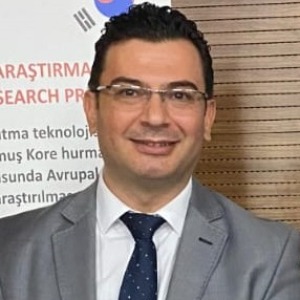
Yasin Ozdemir
Ataturk Horticultural Central Research Institute, Turkey
Esperanza Martinez Romero
Universidad Nacional Autonoma de Mexico, Mexico
Suriyavathana Muthukrishnan
Periyar University, IndiaSubmit your abstract Today


Title : Results from a cross-sectional observational study examining irritable bowel syndrome patients six months after finishing their participation in the ViIBS trial
Jacek Piatek, Calisia University, Poland
Title : Gut microbiome as a driver of healthy ageing
Thi Thu Hao Van, RMIT University, Australia
Title : Treating irritable bowel syndrome patients with a balanced multi-strain synbiotic–results from a multi-center, randomized, double-blind, placebo-controlled clinical trial (the ViIBS trial)
Henning Sommermeyer, Calisia University, Poland
Title : Molecular mechanisms underlying the anti-atherogenic actions of probiotics
Dipak P Ramji, Cardiff University, United Kingdom
Title : Global regulatory trends on the use of probiotics and prebiotics in foods and food supplements
David Pineda Ereno, DPE International Consulting, Belgium
Title : Biochemical profile and nutripotential glimpses of Terminalia arjuna bark extract
Suriyavathana Muthukrishnan, Periyar University, India