
4th Edition of International Conference on Probiotics and Prebiotics
March 26-28, 2026

Postbiotic Researchers
Postbiotic Researchers are at the forefront of studying the bioactive compounds produced by probiotics during fermentation—known as postbiotics—and their effects on human health. Unlike live microorganisms, postbiotics consist of non-viable microbial cells, metabolites, enzymes, short-chain fatty acids, peptides, and cell wall fragments that offer therapeutic benefits without the need for colonization. These researchers investigate how postbiotics interact with the host’s immune system, influence gut barrier function, and exert anti-inflammatory, antimicrobial, and antioxidant effects. Their work is especially valuable in developing safe and stable alternatives to traditional probiotics, particularly for vulnerable populations like infants, the elderly, and immunocompromised individuals.
Postbiotic Researchers conduct detailed molecular and biochemical analyses to identify the functional components responsible for specific health outcomes. They work closely with clinicians, food technologists, and regulatory experts to evaluate postbiotic safety, standardize production methods, and validate health claims through preclinical and clinical studies. Additionally, they explore postbiotic applications in functional foods, supplements, skincare, and even veterinary products. As interest in gut microbiome-derived therapies grows, these researchers are paving the way for the next generation of microbiome-based interventions. Their findings offer promising insights into how non-living microbial products can be harnessed to promote health and prevent disease with greater precision and stability.

Dipak P Ramji
Cardiff University, United Kingdom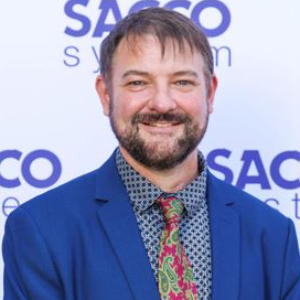
Jason Ryan
Sacco System, Australia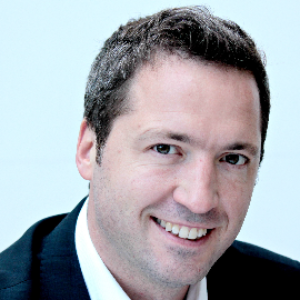
David Pineda Ereno
DPE International Consulting, Belgium
Thi Thu Hao Van
RMIT University, Australia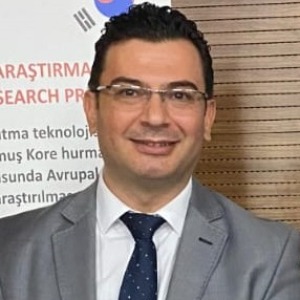
Yasin Ozdemir
Ataturk Horticultural Central Research Institute, Turkey
Esperanza Martinez Romero
Universidad Nacional Autonoma de Mexico, Mexico
Suriyavathana Muthukrishnan
Periyar University, IndiaSubmit your abstract Today


Title : Results from a cross-sectional observational study examining irritable bowel syndrome patients six months after finishing their participation in the ViIBS trial
Jacek Piatek, Calisia University, Poland
Title : Gut microbiome as a driver of healthy ageing
Thi Thu Hao Van, RMIT University, Australia
Title : Treating irritable bowel syndrome patients with a balanced multi-strain synbiotic–results from a multi-center, randomized, double-blind, placebo-controlled clinical trial (the ViIBS trial)
Henning Sommermeyer, Calisia University, Poland
Title : Molecular mechanisms underlying the anti-atherogenic actions of probiotics
Dipak P Ramji, Cardiff University, United Kingdom
Title : Global regulatory trends on the use of probiotics and prebiotics in foods and food supplements
David Pineda Ereno, DPE International Consulting, Belgium
Title : Biochemical profile and nutripotential glimpses of Terminalia arjuna bark extract
Suriyavathana Muthukrishnan, Periyar University, India