4th Edition of International Conference on Probiotics and Prebiotics
March 26-28, 2026

Dairy Technologists
Dairy Technologists specialize in the processing, quality control, and innovation of dairy products such as milk, cheese, yogurt, butter, and ice cream. They apply principles of food science, microbiology, and engineering to improve dairy production, ensuring safety, consistency, and nutritional value.
One of their key roles is enhancing dairy processing techniques, including pasteurization, homogenization, and fermentation, to maintain product quality and extend shelf life. They also work on developing functional dairy products, such as probiotic-rich yogurts and lactose-free alternatives, catering to evolving consumer preferences and dietary needs. Quality control is a crucial aspect of dairy technology, where technologists monitor factors like texture, taste, and microbial safety to meet industry and regulatory standards. Sustainability is another focus, with dairy technologists exploring eco-friendly packaging, waste reduction strategies, and innovative dairy alternatives. Their contributions help advance the dairy industry, ensuring high-quality, nutritious, and sustainable dairy products for global markets. Dairy technologists also work on improving the nutritional profile of dairy foods by optimizing protein content, reducing unhealthy fats, and fortifying products with essential vitamins and minerals. They study the effects of different processing methods on gut health and develop dairy solutions tailored to various dietary needs. Quality control remains a top priority, with rapid pathogen detection, AI-driven dairy analysis, and blockchain technology improving traceability and safety in the dairy supply chain.

Dipak P Ramji
Cardiff University, United Kingdom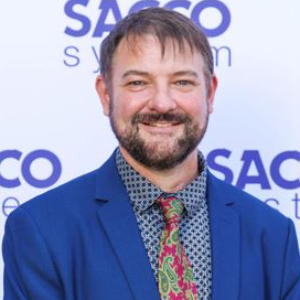
Jason Ryan
Sacco System, Australia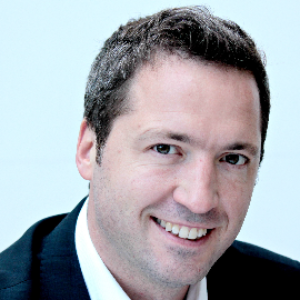
David Pineda Ereno
DPE International Consulting, Belgium
Thi Thu Hao Van
RMIT University, Australia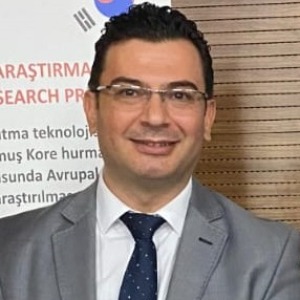
Yasin Ozdemir
Ataturk Horticultural Central Research Institute, Turkey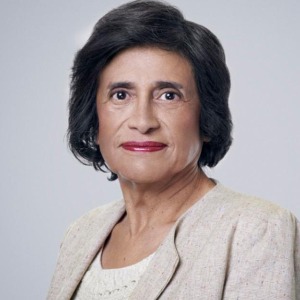
Esperanza Martinez Romero
Universidad Nacional Autonoma de Mexico, Mexico
Suriyavathana Muthukrishnan
Periyar University, IndiaSubmit your abstract Today


Title : Results from a cross-sectional observational study examining irritable bowel syndrome patients six months after finishing their participation in the ViIBS trial
Jacek Piatek, Calisia University, Poland
Title : Gut microbiome as a driver of healthy ageing
Thi Thu Hao Van, RMIT University, Australia
Title : Treating irritable bowel syndrome patients with a balanced multi-strain synbiotic–results from a multi-center, randomized, double-blind, placebo-controlled clinical trial (the ViIBS trial)
Henning Sommermeyer, Calisia University, Poland
Title : Molecular mechanisms underlying the anti-atherogenic actions of probiotics
Dipak P Ramji, Cardiff University, United Kingdom
Title : Global regulatory trends on the use of probiotics and prebiotics in foods and food supplements
David Pineda Ereno, DPE International Consulting, Belgium
Title : Biochemical profile and nutripotential glimpses of Terminalia arjuna bark extract
Suriyavathana Muthukrishnan, Periyar University, India